

Publications and reports
2024 Malawi DHS Key Indicators Report
The 2024 Malawi Demographic and Health Survey (2024 MDHS) was conducted by the National Statistical Office (NSO) from May 13 to August 31, 2024. The primary objective of the 2024 MDHS is to provide up-to-date estimates on fertility, family planning, maternal and child health, childhood nutrition, disease prevalence, and health service utilisation.

Understanding Refugee Return: Key Findings, Gaps, and Future Research
Understanding Refugee Return: Key Findings, Gaps, and Future ResearchThe return of refugees to their home countries is often regarded as a desirable outcome in displacement contexts, enabling individuals to rebuild their lives in familiar environments. Nevertheless,...
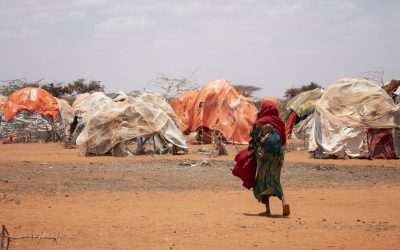
Findings from Somalia Displacement Phone Survey (2022)
Millions in Somalia have been displaced due to ongoing crises, while the country also hosts 38,463 refugees and asylum-seekers. The Somalia Displacement Phone Survey, the first of its kind to compare data across displaced groups, revealed that over 90% of households faced shocks like droughts, floods, and violence in the six months before the survey.
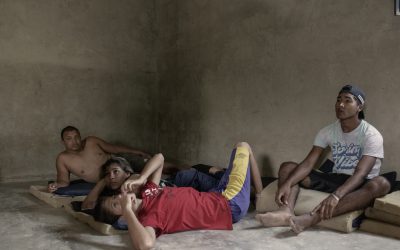
Violence-driven displacement in Mexico: Why including internally displaced persons in national statistics is necessary to inform a protection-based response
Internal displacement in Central America and Mexico is often characterized as an urban phenomenon linked to criminal activity and violence, yet displacement from rural locations is not uncommon. Comprehensive, up-to-date, data on the number of internally displaced persons (IDPs) is limited, in part, because of the inherent difficulties in collecting regular data on this “hard-to-reach” population who may be hesitant to report their situation.
Host Communities and Refugees in the East and Horn of Africa and the Great Lakes
This JDC Digest explores the impacts of forced displacement on host communities in the EHAGL region, as well as opportunities to facilitate opportunities for refugees and other forcibly displaced persons through mobility, assistance and inclusion into national services.
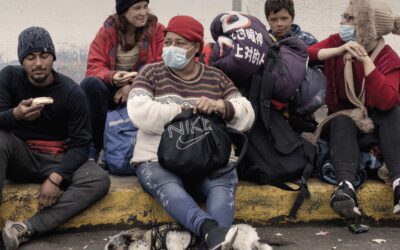
Venezuelans in Chile, Colombia, Ecuador and Peru
Español Over the past decade, Latin America and the Caribbean (LAC) has experienced of one of the largest mass human movements in the world. The exodus from Venezuela is the largest-ever displacement crisis in the Americas, with an estimated 7.7 million Venezuelan...
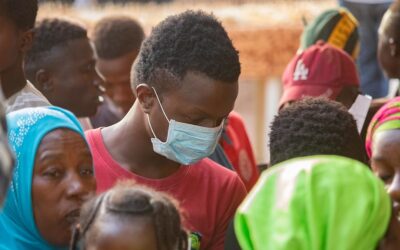
Refugees in Djibouti
Over the past decade, Djibouti has become a country of destination and transit for migrants and forcibly displaced populations over the Gulf of Aden and through the Horn of Africa. This is a report on the monitoring the socioeconomic impact on refugee households...
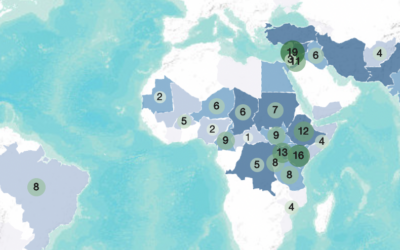
Gaps in Microdata in the Context of Forced Displacement
This paper aims to understand the existing gaps in microlevel data on forcibly displaced people—refugees and internally displaced persons- through a comprehensive review of all existing micro-level data sets in the UNHCR and World Bank Microdata Libraries.

Socioeconomic profile of refugees and host households in Nairobi
Over 80,000 refugees in Kenya live in urban areas, most of them in Nairobi, despite the fact that they receive some assistance outside of refugee camps. This report is based on a survey that produced comparative datasets for refugees and nationals following a design...
Voices of Yemen
Since the outbreak of the civil war in Yemen eight years ago, the lives of its people have been marked by hardship, uncertainty, and a bitter struggle for survival. This report, 'Voices from Yemen', aims to shed light on their experiences, providing a human context...